Cute Stories: The Font That Feels Like a Sunny Day
There’s a particular kind of magic in a design that makes you smile before you even read the words. It’s in the bounce of a letter, the confident curve of a swash, the sense that something fun and friendly is about to happen. For designers and creators, capturing that feeling—translating pure, approachable joy into a visual asset—is a constant pursuit. The right typography can be the secret ingredient, transforming a simple message into an experience that resonates on a human level. This is where a font like Cute Stories enters the conversation, offering a distinct personality built for connection.
A Typeface with Personality and Purpose
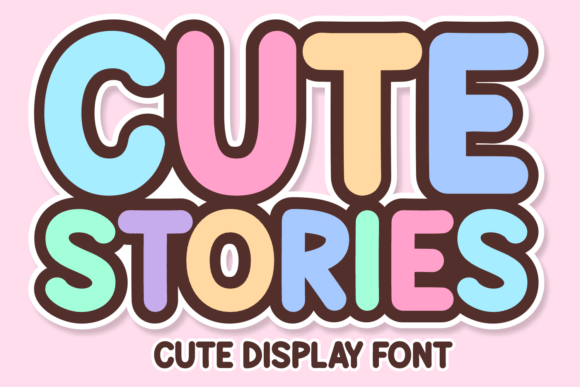
At its core, Cute Stories is a display font, meaning its strength lies in headlines, logos, and short bursts of impactful text rather than lengthy paragraphs. Its visual character is a vibrant fusion of influences. Think of the bold, confident shapes of 1970s groovy typography, but softened with a modern, almost Bohemian whimsy. The letters have a playful, bubble-like quality without sacrificing legibility—a crucial balance. This isn't a chaotic, psychedelic mess; it's a carefully crafted typeface where each character feels intentional, offering that candy-store allure in a structured, usable way.
What makes it visually appealing is this marriage of retro nostalgia and contemporary design. It avoids feeling dated by incorporating clean lines and thoughtful spacing. The "bubble" effect is more suggestion than literal inflation, giving it a friendly, approachable vibe that’s perfect for audiences of all ages. The optional swash fonts add a layer of decorative flair, allowing designers to inject extra personality into specific letters for logos or monograms. This versatility within a single font family is a significant advantage for creating cohesive yet dynamic brand identities.
Practical Applications Across Creative Projects
The true test of any premium font is its real-world utility. Where does a typeface like Cute Stories actually shine? Its bold, cheerful aesthetic makes it a natural fit for projects targeting families, children, or simply anyone who appreciates a dose of optimism. Consider its application in these common scenarios:
- Branding & Logo Design: For a children’s boutique, a family-friendly café, a summer camp, or a creative workshop, this font can instantly communicate a brand’s core personality—fun, trustworthy, and energetic. It creates immediate recognition.
- Packaging & Product Design: Imagine this font on a label for organic fruit snacks, a craft soda, or a line of colorful stationery. It makes products pop on the shelf and tells a story of enjoyment before the package is even opened.
- Social Media & Digital Content: In the fast-scroll world of Instagram, TikTok, or YouTube, a thumbnail or graphic needs to grab attention in a second. The vibrant aesthetics of a font like this stop the scroll, making it ideal for content creators, bloggers, and digital marketers promoting lifestyle, DIY, or family-oriented content.
- Print & Merchandise: Its bold nature translates beautifully to physical items. Think event posters for a community fair, cheerful t-shirt designs, sticker sheets, or invitation cards for a child’s birthday party. The retro flair adds a touch of vintage cool that appeals to a broad demographic.
- Editorial & Web Design: Used strategically for pull quotes, section headers in a blog, or hero text on a landing page, it can break the monotony of standard sans serif fonts and inject personality into an otherwise standard layout.
Integrating a Display Font into Your Design Strategy
Adopting a strong character font requires a thoughtful approach. It’s not about using it for every single word, but about leveraging its strengths to support your overall message. Here’s some practical advice for making the most of a font like Cute Stories.
Pairing is Everything. A display font demands a partner. For body text, you need a highly readable serif font or a clean sans serif font. A simple, neutral companion allows the personality of Cute Stories to shine without overwhelming the viewer. For example, pairing it with a classic serif like Lora for a blog or a simple sans serif like Lato for a website creates a balanced, professional hierarchy.
Context is Key. Always consider your audience and project goals. This font excels in casual, joyful contexts. It would be perfect for a pediatric dentist’s website but likely less appropriate for a corporate law firm’s annual report. Testing the font in context—seeing it mock-up on a product, a social media post, or a business card—is essential before finalizing a design.
Explore the Included Styles. A well-designed creative font often comes with more than one style. Check if the package includes italic, bold, or swash alternates. These variations are not just extras; they are tools for creating visual interest, emphasizing key words, and adding decorative elements without needing to purchase additional assets.
Consider the Formats. Modern design workflows require flexibility. A font that offers SVG versions for cutting machines, PNG files for easy layering, and Procreate brushes for digital artists adds immense value, especially for crafters and designers who work across multiple platforms. This kind of versatility turns a single font purchase into a comprehensive design toolkit.
Beyond the Glyphs: Building Recognition and Engagement
Ultimately, choosing a typeface is a strategic decision that impacts brand perception. A consistent, distinctive font style becomes a visual signature. When your audience repeatedly sees the same friendly, retro-inspired letters across your website, packaging, and social media, it builds instant recognition and trust. This consistency is a cornerstone of strong brand identity.
Furthermore, the right font directly influences engagement. A playful, readable display font can make information feel more accessible and less intimidating. It sets a tone that can encourage interaction, whether it’s clicking a link, sharing a post, or picking up a product. In a crowded marketplace, that emotional connection—fostered partly through thoughtful typography—can be the differentiator that turns a casual viewer into a loyal customer.
In the end, a font is more than just a collection of shapes; it’s a voice. For projects that aim to speak with warmth, creativity, and a touch of nostalgic fun, a tool like Cute Stories offers a compelling way to tell your story. It provides the visual flair needed to stand out while maintaining the readability and versatility required for professional, impactful design. The best creative choices often feel less like a decision and more like a discovery—finding the perfect piece that makes everything else fall into place.