The Handwritten Font: Where Modern Style Meets Timeless Elegance
There’s a moment in every design project where you realize the typography you’ve chosen is either working for you or against you. You’ve nailed the color palette, the imagery is on point, and the layout feels balanced. But something’s missing. The text feels cold, generic, or disconnected from the story you’re trying to tell. This is where a typeface with genuine personality steps in—not just to fill space, but to become an active participant in your visual narrative. Enter Handwritten, a font that bridges the gap between the fluidity of classic calligraphy and the clean expectations of contemporary design.
More Than Just a Pretty Script
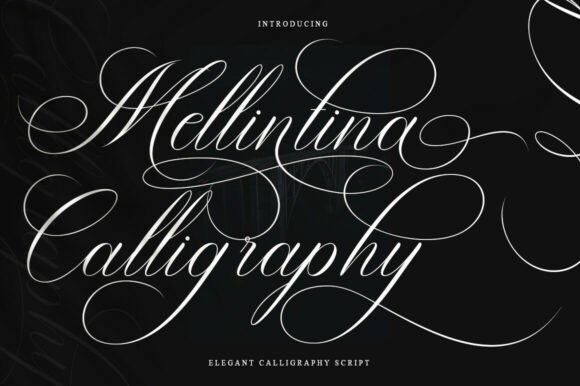
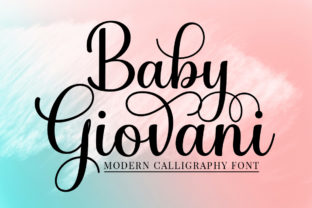
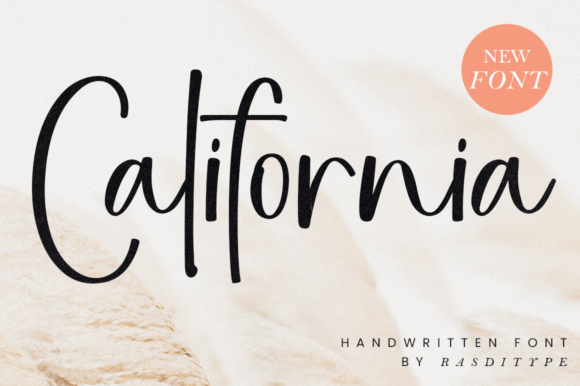
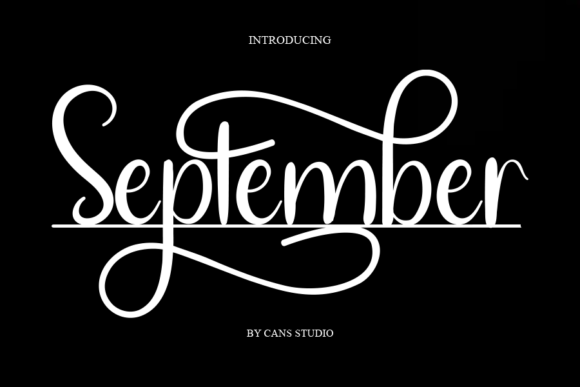
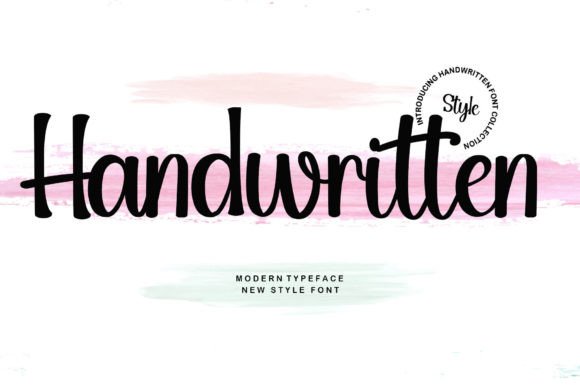
At first glance, Handwritten is clearly a script font. It has the flowing, connected letterforms we associate with personal notes and elegant invitations. But look closer, and you’ll notice its contemporary atmosphere. The strokes are confident and impeccably formed, avoiding the overly casual or chaotic look of some handwritten styles. This isn’t a font that tries to mimic a shaky hand; it captures the essence of handwriting with a designer’s precision. The result is a typeface that feels authentic yet polished, personal yet professional. It’s this duality that makes it such a versatile tool. It can whisper sophistication on a wedding invitation and shout creativity on a social media graphic.
What truly sets it apart is its foundation in timeless calligraphy. The curves and connections aren’t random; they follow the rhythmic logic of traditional penmanship. This gives it an inherent sense of flow and harmony that many modern fonts lack. When you use Handwritten, you’re not just choosing letters; you’re adopting a specific visual cadence that guides the viewer’s eye naturally across your design.
Practical Applications for Real-World Projects
Let’s move beyond theory. Where does a font like Handwritten actually shine? Its strength lies in projects where you need to convey warmth, authenticity, and a touch of elegance without sacrificing clarity. Think about the brands you love that feel approachable yet high-quality. Often, their visual identity uses typography that reflects that same balance.
For Branding & Logo Design: A logo sets the tone for everything. Using Handwritten for a wordmark or a secondary lockup can instantly inject personality. Imagine it for a boutique bakery, a freelance photographer, a wellness coach, or a artisanal coffee shop. It tells customers there’s a human, creative force behind the business. Pair it with a clean, simple sans serif for body text, and you have a brand identity that feels both distinctive and readable.
In Packaging & Product Design: On a physical product, texture and detail matter. Handwritten can elevate packaging for cosmetics, gourmet foods, or handmade goods. Use it for the product name or a special tagline on a label. It adds a perceived value, suggesting care and craftsmanship that generic fonts can’t match. Just ensure the size and color contrast maintain legibility on the actual material.
Across Digital Spaces: The digital realm is where this font proves its modernity. It’s a powerhouse for social media graphics. Use it to highlight a key quote in an Instagram story, create eye-catching headlines for Pinterest pins, or design a compelling thumbnail for a YouTube video. On a website, it can be used sparingly but effectively—think hero section headlines, call-to-action buttons, or accent text in an editorial layout. The key is strategic use; a full paragraph in a script font online can be tiring to read, but a few impactful words can dramatically boost audience engagement.
Pairing and Practicality: Making It Work
A great font is only as good as its context. Choosing Handwritten is the first step; integrating it thoughtfully is what creates success. Here’s some practical advice from a designer’s perspective.
Font Pairing is Everything: Handwritten needs a partner. Its ornate nature means it should be contrasted with something structured and neutral. A classic sans serif font like Helvetica, Futura, or Open Sans makes an ideal companion for body copy, ensuring your message is clear. For a different feel, a sturdy serif font like Garamond or Playfair Display can create a beautiful, high-contrast hierarchy that feels both traditional and fresh. Always test your pairings in context—see how they look at small sizes and in large blocks.
Readability Considerations: While beautiful, script fonts have rules. Avoid using Handwritten for long-form text or at very small sizes, especially on screens. Its best role is for headlines, logos, quotes, and short phrases where its character can be appreciated without hindering comprehension. Always check the letter spacing and line height. Sometimes, increasing the tracking slightly on a script font can improve clarity.
Explore the Included Styles: A premium display font like Handwritten often comes with more than just the basic alphabet. Check for stylistic alternates, ligatures, and swashes. These are alternate versions of letters that can add flair and prevent repetitive letterforms, making your typography look even more custom and fluid. Understanding these options gives you greater creative control.
Licensing for Commercial Use: This is a critical, often overlooked step. If you’re using the font for client work, merchandise, or any project that generates revenue, you need a commercial font license. Ensure you purchase the correct license that covers your intended use. Using a font without the proper license is a risk no professional should take. Most reputable font foundries make this information clear on their purchase pages.
Elevating Your Visual Communication
Ultimately, typography is a silent ambassador for your brand or project. The right typeface does more than display words; it conveys emotion, establishes tone, and builds visual consistency. By incorporating a thoughtfully crafted script font like Handwritten into your toolkit, you’re investing in a design asset that can enhance brand recognition and professional presentation across a multitude of applications.
Whether you’re designing a wedding invitation suite, developing the brand identity for a new startup, creating marketing assets for a product launch, or crafting digital products like printable planners, the goal is the same: to communicate effectively and memorably. Handwritten offers a unique blend of warmth and sophistication that can help you achieve that. It’s not about following a trend, but about choosing a tool that aligns with the story you want to tell and the audience you want to reach. So, the next time your project needs a dose of authentic elegance, consider letting this contemporary classic do the talking.