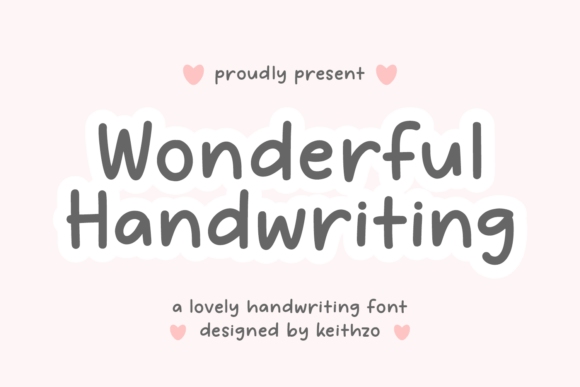
Wonderful Handwriting: A Font That Feels Like a Friend
There’s a particular warmth that comes from receiving a handwritten note. It feels personal, considered, and distinctly human. In a world saturated with crisp, impersonal digital text, that human touch is a powerful differentiator. This is the exact feeling the Wonderful Handwriting font captures. It’s not just a typeface; it’s a tool for injecting personality, authenticity, and a gentle, approachable charm into your work. For anyone building a brand, crafting content, or creating something special, this font offers a simple yet profound way to connect with your audience on a more human level.
A Font with Genuine Personality
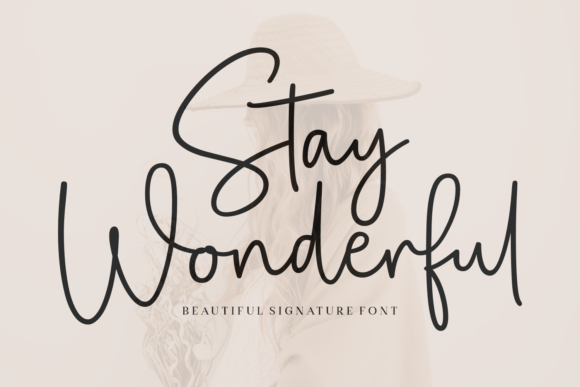
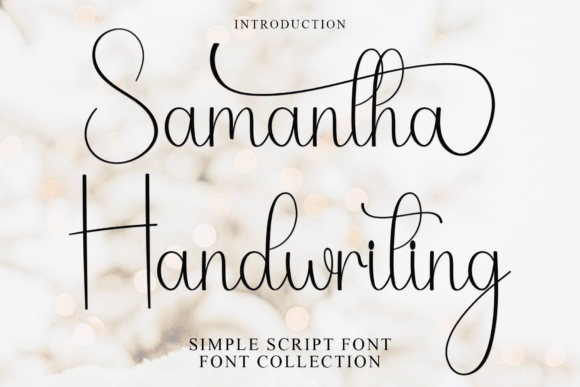
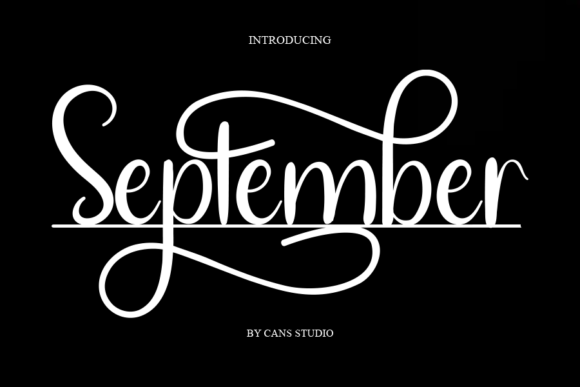
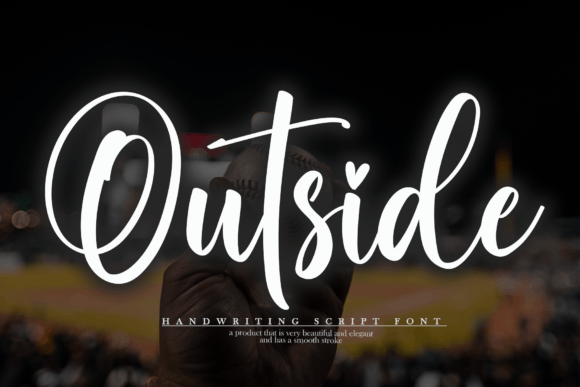
At first glance, Wonderful Handwriting presents itself as a handwritten font that feels both familiar and fresh. Its charm lies in its beautiful imperfections. Each letter possesses a subtle, individual character—no two keystrokes are perfectly identical, mimicking the natural flow of a hand across paper. This isn't a rigid, uniform script; it's a flowing, organic typeface that feels lived-in and genuine.
Visually, it strikes a careful balance. It's legible enough for short paragraphs and headlines, yet fluid enough to feel truly handcrafted. The letterforms have a consistent baseline but vary slightly in slant and connection, which is the secret to its authentic allure. This quality makes it a standout creative font for projects where you want to avoid the sterile, overly polished look of more formal sans-serif or serif fonts. It’s the typographic equivalent of a warm smile or a friendly handshake.
Practical Magic: Where This Font Truly Shines
The versatility of Wonderful Handwriting is one of its greatest strengths. It’s a premium font asset that can adapt to a wide range of applications, both digital and physical, without losing its core identity. Think of it as a versatile actor who can convincingly play many roles.
For brand identity, it’s a game-changer for businesses that want to appear approachable, artisanal, or customer-centric. Imagine it on the logo for a local bakery, a boutique consultancy, or a handmade jewelry line. It instantly communicates care and a personal touch. In packaging design, it can elevate a product from a mere commodity to a curated experience, perfect for labeling craft goods, specialty foods, or cosmetics.
In the digital realm, it’s equally at home. As part of your web design toolkit, use it for pull quotes, author names on a blog, or call-to-action buttons that need to feel inviting rather than demanding. For social media graphics, it can make quotes, announcements, and promotional posts stand out in a crowded feed, fostering higher engagement because it feels like it’s coming from a person, not a corporation. It’s a fantastic choice for editorial design in digital magazines or newsletters, adding a layer of intimacy to stories and interviews.
Don’t overlook its power in print and merchandise. It’s ideal for creating heartfelt invitations, thoughtful greeting cards, and inspiring posters. On merchandise, it can transform a simple t-shirt or tote bag into a statement piece with a personal message. For digital products like planners, worksheets, or e-book covers, it adds a handcrafted feel that increases perceived value.
Integrating It Into Your Design Workflow
Using a font like this effectively requires a bit of strategic thinking. It’s not about replacing every font in your toolkit, but about knowing when and where its specific magic will have the most impact. Here’s some practical advice for incorporating it seamlessly.
Choose the Right Context: Wonderful Handwriting excels as a display font or for short bursts of text. Use it for headlines, subheadings, logos, and highlights. For body text or lengthy paragraphs, pair it with a highly readable serif font or sans serif font. A classic pairing might be using Wonderful Handwriting for a blog post title and a clean sans-serif like Lato or Open Sans for the main article text. This ensures readability while maintaining a cohesive visual style.
Test Your Pairings: Before committing, always test how it works alongside your other chosen fonts. Does the contrast feel harmonious or jarring? Does the handwritten font support the message of the other typeface, or does it clash? Create a simple style tile with your color palette, imagery, and font combination to see how they interact as a system. This is a crucial step in building a strong, consistent visual identity.
Review the Included Styles: Many commercial fonts, including quality options like this, come with more than just the basic weight. Check if it includes alternatives, ligatures, or stylistic sets. These features can add even more variation and authenticity to your text, allowing you to fine-tune the handwritten effect for different applications.
Mind the Licensing: If you’re using the font for commercial projects—like client work, products for sale, or monetized content—ensure you have the correct license. A reputable premium font will come with a clear license that outlines permitted uses. This is a non-negotiable part of professional design work and protects both you and the font creator.
Building Recognition and Connection
Ultimately, the goal of any design choice is to communicate a message and evoke a feeling. Wonderful Handwriting is a powerful tool for achieving this because it taps into the universal appreciation for the human touch. When used thoughtfully, it can significantly enhance your project's outcomes.
It improves brand recognition by creating a unique and memorable visual signature. A consistent handwritten element across your website, social media, and print materials makes you instantly identifiable. It boosts audience engagement because content that feels personal is more likely to be read, shared, and remembered. It also elevates your professional presentation by showing that you’ve considered every detail of the user experience, from the grand layout down to the typographic nuances.
In the end, choosing a font like Wonderful Handwriting is a choice to prioritize connection over mere communication. It’s a way to let your brand’s personality breathe, to make your designs feel less like sterile layouts and more like conversations. Whether you’re a designer, a small business owner, or a creative spirit, it offers a simple key to unlock a world of extraordinary, heartfelt design.